


West Texas and High Plains could see increase in crop insurance claims
Author: Kacee Kirschvink
Posted on: 8/31/26
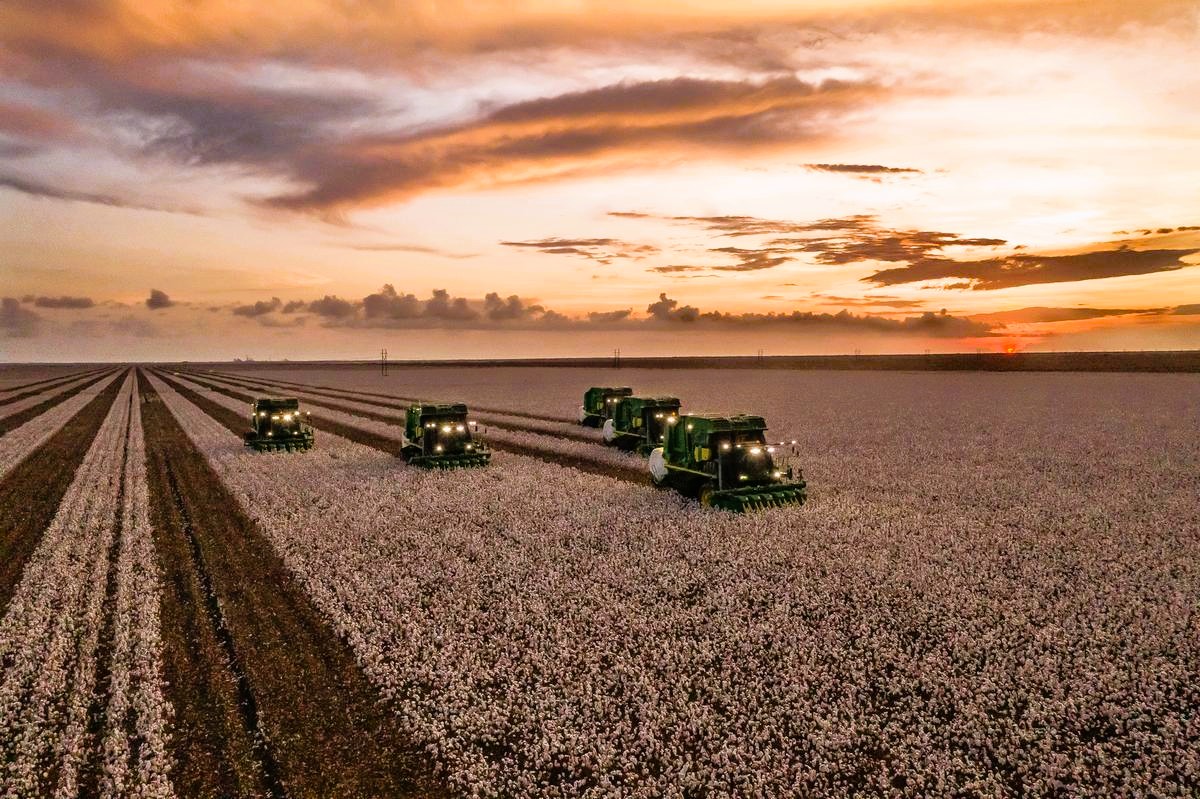
With challenging growing conditions in parts of Texas, the 2026 crop insurance season is shaping up to be highly active, particularly for cotton.
Capital Farm Credit (CFC) will be ready to work with its insurance customers who may need to file a claim. Customers are encouraged to communicate with their CFC agent early, get their records in order, report losses timely and be patient, as a larger number of claims can mean delays in processing.
What to Expect During a Busy Crop Insurance Claims Season
While crop conditions vary across the state, drought, extreme heat and other weather-related challenges are expected to generate a higher-than-normal volume of claims in some regions, particularly across West Texas and the High Plains.
Understanding how the claims process works and taking a few proactive steps now can help make the experience smoother and more efficient.
Report Damage Early
One of the most important things producers can do is report crop damage as soon as it occurs. Early notification allows your crop insurance agent and approved insurance provider to begin the claims process sooner and provide guidance on available policy options and next steps.
Waiting until harvest or the end of the season can create unnecessary complications and may delay claim processing.
Keep Thorough Records
Good documentation plays a critical role in supporting a claim. Complete and accurate records help verify production practices, support claim reviews, and reduce the likelihood of delays.
Important records may include:
- Seed receipts
- Fertilizer records
- Irrigation and water-use documentation
- Chemical application records
- Production records and harvest information
Maintaining organized records throughout the year can be especially valuable when claims involve large losses or require additional review.
Be Prepared for Longer Processing Times
During years with widespread crop losses, insurance providers and adjusters may experience a significant increase in claim activity. As a result, the claims process may take longer than normal. Claims involving larger indemnities may also require additional review before payment can be finalized.
While waiting can be frustrating, these reviews help ensure claims are processed accurately and in compliance with federal crop insurance requirements.
Understanding Crop Appraisals and Boll Counts
Cotton producers may hear adjusters discuss boll counts and appraisals when assessing damage.
The timing of an appraisal can have a significant impact on estimated production. Early in the season, appraisals of green bolls are based largely on the crop’s potential. Later in the season, appraisals of open bolls are based on the actual yield-producing cotton present in the field. Because conditions can change between those stages, appraisal results may differ from earlier estimates.
For this reason, producers should understand that initial loss estimates may not always match final claim outcomes.
Regional Crop Conditions Across Texas
West Texas and High Plains
Much of this region has experienced severe heat and limited rainfall. Dryland cotton losses are expected to be substantial, and even irrigated cotton has faced challenges from prolonged temperatures above 100 degrees. Corn, peanuts and other crops have also been affected by drought stress, with some quality concerns expected. Significant claims activity is anticipated.
Central Texas and Winter Garden
Corn and grain sorghum harvests are largely complete. Earlier excessive rainfall created quality concerns in some grain crops, while cotton conditions remain generally favorable, particularly on irrigated acres.
South Texas and Gulf Coast
Despite periods of rain-related harvest delays, crop performance has generally been positive. Corn yields have been strong in many areas, cotton harvest has begun and overall production prospects remain favorable, though some isolated quality concerns have been reported.
A Few Final Tips
When a loss occurs:
- Notify your crop insurance agent promptly.
- Keep detailed records and supporting documentation.
- Continue following policy requirements and guidance from your adjuster.
- Maintain realistic expectations about processing timelines during high-volume claim years.
- Stay in communication with your insurance team throughout the process.
A successful claims process starts with preparation, communication and documentation. Taking these steps can help ensure your claim is reviewed as efficiently and accurately as possible, allowing you to focus on your operation during a challenging season.