Changes in routine, mood or personality: Simple stress or something more?
Author: Kacee Kirschvink
Posted on: 5/11/26
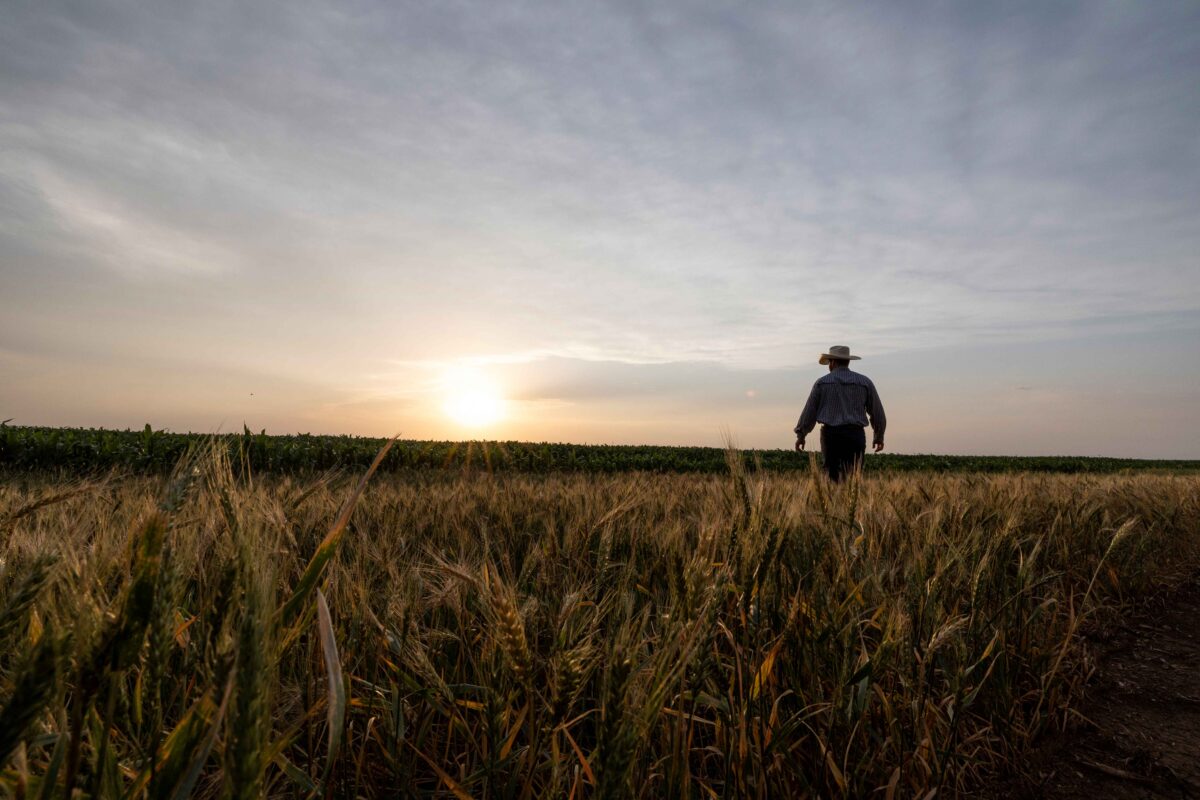
Every Monday morning, Bob would gather with other local farmers at the coffee shop. Wearing overalls, work boots and baseball caps, they would file in, order their thick-as-oil coffee and gather at their table in the back. Discussions would range from the weather, how their crops were doing and the latest news around town.
Bob never missed a coffee chat. But one morning, he didn’t show up for his weekly cup o’ joe and gossip. His chair was empty. The next Monday, he showed up late and was quiet. He didn’t tell his usual jokes, didn’t give the younger farmers a hard time, as usual, and didn’t go for a refill. He was there yet not quite present.
Bob’s friend, Ted, suspected that something was wrong, but he didn’t want to bother Bob or seem nosy. It’s not because he didn’t care, it’s because he was afraid to say the wrong thing.
May is Mental Health Awareness Month, a time to pause and acknowledge something many in agriculture live with every day – stress, uncertainty and pressure that go far beyond what the public often sees.
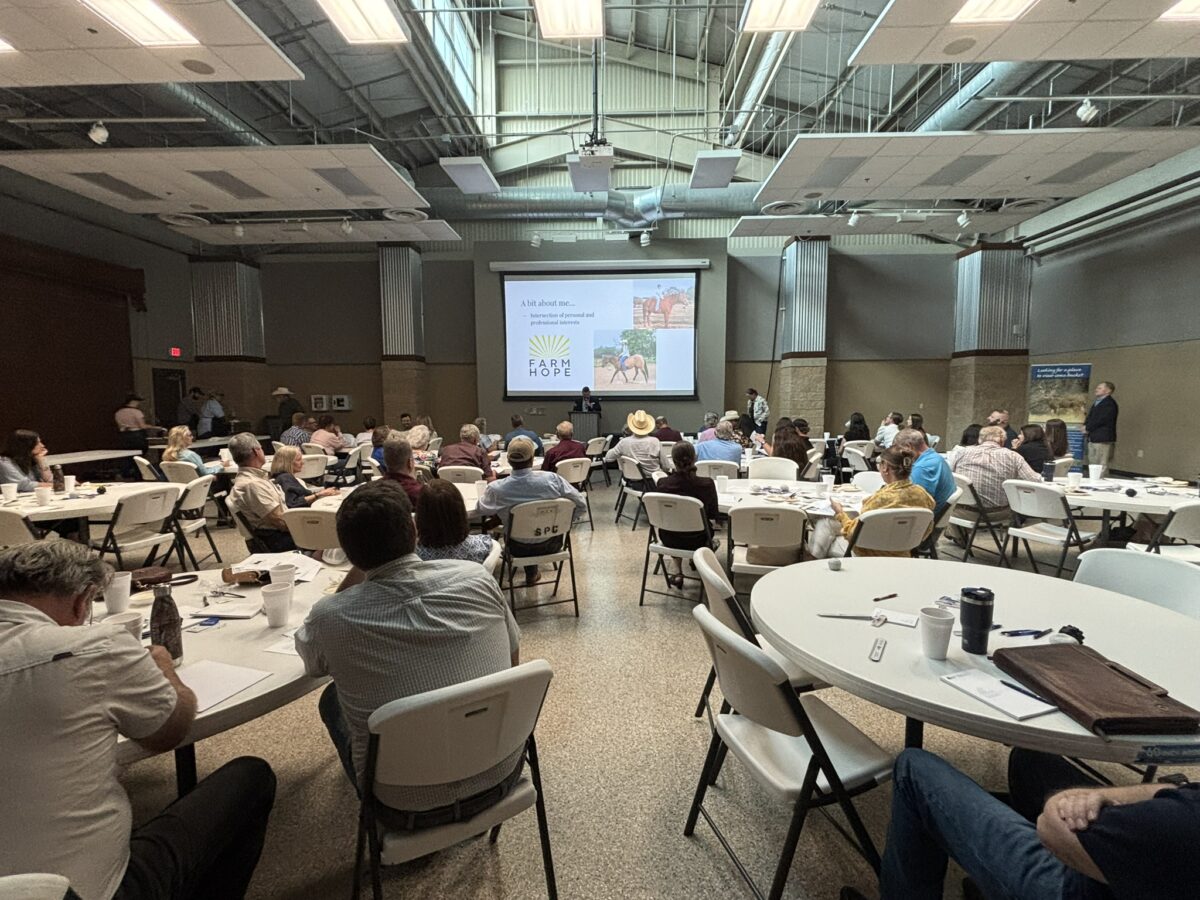
At a recent dinner hosted by Capital Farm Credit in San Patricio, Texas, A&M AgriLife Extension Program Specialist Miquela Smith gave a FarmHope presentation, providing awareness and advice on how to help people like Bob.
“Just letting someone know that you care about them is great. You’re not trying to fix or solve a problem,” she said. “You’re not asking them anything too personal. You’re showing that you care about them, and that can be really helpful for someone going through a difficult time.
“Speak confidently, especially if you know that somebody really is going through a hard time,” she said. “If you’re confident, that person is going to feel like they can talk to you. We want to be someone who that person can trust and feel comfortable opening up to.”
Smith, who works in the Heath Disaster Assessment & Recovery Unit, joined Dr. Mikaela Spooner, a psychologist at the Texas A&M Health Telehealth Institute, which provides free help for ag producers going through mental health challenges such as depression and anxiety.
Research consistently shows that the more rural someone lives, the higher rates of chronic disease, lower life expectancy and, most concerning, a higher risk of suicide. In Texas, those realities are magnified by geography, workforce shortages and the unique demands of agriculture itself.
The question isn’t if stress exists in rural and ag communities. The question is how we recognize it, talk about it and support one another before stress turns into crisis.
Why rural mental health looks different
Living in the country, far away from neighbors or friends, often means fewer opportunities for regular social connection. For producers who spend long hours alone in a tractor, a pasture or a pickup, routine human interaction can be scarce – yet connection is one of the strongest protective factors for mental health.
Access to care is also a major challenge. Even when someone wants help, there may simply be no local professional to see. The nearest option could be hours away.
Then there’s the nature of agricultural work itself. Farming and ranching carry risks that most desk jobs never will – heavy machinery, extreme heat, hazardous chemicals, biological exposures and unpredictable wildlife. Add natural disasters like wildfires, hurricanes, droughts and floods, and stress becomes chronic rather than situational.
Unlike a single storm that passes, agricultural stress compounds. A wildfire one year may be followed by flooding the next. Crop prices fluctuate. Pests emerge. No matter how carefully an operation is managed, many outcomes remain completely outside a producer’s control. That stress adds up.
Cultural pressures can increase the load
In farming and ranching, business and family are often inseparable. Conflict at work doesn’t stay at work. Financial strain isn’t just financial. It’s personal. And when an operation represents generations of family legacy, the pressure to keep going can feel overwhelming.
The true grit, “do-it-myself” mentality that often comes with agriculture can also prevent people from asking for help.
There’s also fear of stigma or embarrassment. Many producers worry about what will happen if others find out they’re struggling. According to a national Farm Bureau survey, embarrassment alone keeps many rural residents from seeking care, even when services are available.
Mental Health Awareness Month exists to remind us that needing help is not a failure. It’s a human response to tough circumstances.
How to navigate these struggles
While rural and ag communities face real challenges, they also possess extraordinary strengths.
Neighbors still stop to help on the side of the road. People show up for each other during calving season, harvest or disaster recovery, even when they’re not close friends. Trust runs deep. Faith and spirituality are often central, providing comfort and resilience in hard seasons.
These strengths matter, especially when it comes to mental health. Support doesn’t always start with a clinic. It often starts with a conversation.
Here are some other things you can do to help the Bobs in your life:
- Start with care. “I’ve been thinking about you.” “I’m concerned and wanted to check in.”
- Share what you notice. “I noticed you haven’t been coming by the coffee shop.” This feels less accusatory than “You don’t seem like yourself.”
- Listen more than you talk. You don’t need solutions, just presence.
- Avoid judgment. Be a safe place to talk.
- Respect confidentiality. Trust matters, especially in small communities.
- Encourage help early. Just as you wouldn’t ignore a broken arm or high blood pressure, mental health deserves timely care.
Early support leads to better outcomes—period.
There are numerous, free resources that can provide help right away
- 988 Suicide & Crisis Lifeline: Call or text 988 anytime – 24/7. You don’t have to be in crisis to call. It’s also a resource if you’re worried about someone else.
- Local Mental Health Authorities: Every Texas county is covered, even if services aren’t located locally. Click here to find a location near you.
- Ag‑specific support: Programs like the AgriLife Farm & Ranch Stress Assistance efforts, ag‑trained helplines and telehealth counseling connect producers with professionals who understand ag culture and seasonal realities.
- Telehealth Services: No‑cost, virtual counseling is available to Texas producers and their family members. No insurance or referral is required. Call 979-436-0700 or visit their website for more information
- Farm State of Mind Alliance: What was formerly known as the Farm Family Wellness Alliance has transitioned into the Farm State of Mind Alliance and is now a part of the suite of resources available through American Farm Bureau Federation’s Farm State of Mind.
- Togetherall is a safe peer-to-peer online support community that is available 24/7 and is completely anonymous. There is an agriculture-specific sub-group for farmers and ranchers to connect about specific stressors unique to the industry. The platform is monitored by licensed and registered mental health clinicians who are there to ensure safety and anonymity of members.
- Personal Assistance Services (PAS) is a resource for tailored self-help courses covering topics such as anxiety, elder care management, life coaching and more. Individuals can also access one-on-one coaching and counseling sessions.
- Texas Department of Agriculture AgriStress: Agricultural producers in crisis and their family members can call or text the TDA AgriStress Helpline for 24/7, free, confidential support tailored to the agricultural community. The helpline is staffed by trained professionals who understand the realities of farm life. Call or text AgriStress at (833) 867-2474 or visit the TDA AgriStress webpage.
- AgriSafe: With support from Farm Credit and CoBank, AgriSafe developed the AgriStress Provider Directory, created to assist in finding a provider trained to manage the unique stressors specific to farmers, ranchers and rural residents. Providers are listed in nearly all 50 states.
This Month—and Beyond
Mental Health Awareness Month isn’t about adding another task to your plate. It’s about recognizing that stress doesn’t mean weakness, and asking for help doesn’t mean giving up.
In agriculture, we pride ourselves on taking care of what matters most. Mental health belongs on that list – this month and every month that follows.